
infiniti q50 manual transmission
Infiniti Q50 Manual Transmission: A Comprehensive Guide (12/20/2025)
The Q50’s automatic transmission issues have spurred a dedicated community focused on 6MT swaps, utilizing 370Z components for a thrilling driving experience.
The Infiniti Q50, while lauded for its sleek design and potent V6 engines, notably lacked a factory-offered manual transmission option in the US market. This omission has fueled a passionate movement within the Q50 and Q60 enthusiast communities – the pursuit of a manual swap. Driven by dissatisfaction with the reliability of the automatic transmissions, and a desire for a more engaging driving experience, owners are actively converting their vehicles;
Numerous online resources, videos, and dedicated threads document this process, showcasing the feasibility and growing popularity of transforming the Q50 into a driver-focused machine. This guide aims to comprehensively cover the intricacies of this conversion, offering insights and guidance for those considering embarking on this ambitious project.
Why a Manual Swap? Addressing the Lack of Factory Option
The primary impetus behind the Q50 manual swap stems from Infiniti’s decision not to offer a manual transmission in the US. This left a void for enthusiasts craving greater control and a more connected driving feel. Compounding this is the reported unreliability of the factory-equipped automatic transmissions, with owners experiencing repeated failures – some facing two transmission replacements.
The 6MT swap isn’t merely about preference; for some, it’s a preventative measure against future automatic transmission issues. It offers a solution for those seeking a more durable and engaging driving experience, transforming the Q50 into the sports sedan it always had the potential to be.
The 6MT Swap: Popularity and Feasibility
The Infiniti Q50 6MT swap has gained significant traction within the enthusiast community, evidenced by numerous online build threads and video documentation detailing the process. While not a simple bolt-on modification, the swap is demonstrably feasible, largely due to the mechanical similarities between the Q50 and the 370Z.
The increasing number of successful swaps indicates a growing understanding of the required procedures and readily available resources. However, it’s a project demanding considerable mechanical skill, fabrication capabilities, and a willingness to address electrical integration challenges. It’s a commitment, but a rewarding one for dedicated owners.
Required Components for a Q50 6MT Conversion
A comprehensive Q50 6MT conversion necessitates a substantial parts list. Core components include a 370Z 6-speed manual transmission, pedal assembly, and associated wiring harness. Adapting the center console requires specific trim pieces and a shift boot. Mechanical needs encompass a clutch system, potentially an adapter plate for transmission mounting, and driveshaft modifications.
Electrical integration demands ECU compatibility assessment and potential tuning. Don’t forget the necessary hardware for VSC/ABS system adjustments. Sourcing these parts requires diligent searching and often involves both new and used components, demanding careful inspection and verification.
Transmission Sourcing: 370Z as a Primary Donor
The Nissan 370Z consistently emerges as the primary donor vehicle for Q50 manual transmission swaps. Its 6-speed manual transmission (6MT) is a direct fit with minimal modification when paired with the VQ37 engine found in many Q50 models. Sourcing a transmission from a 370Z offers a cost-effective and relatively straightforward solution compared to other options.
However, careful inspection of the 370Z transmission is crucial, verifying its condition and mileage. Consider sourcing the complete assembly, including the flywheel and clutch, to simplify the installation process and ensure compatibility.
Pedal Assembly and Wiring Harness Considerations
Successfully completing a Q50 manual swap necessitates a complete pedal assembly replacement, sourcing a unit from a manual-equipped 370Z or similar Nissan/Infiniti model. This includes the clutch pedal, master cylinder, and associated linkages. The wiring harness requires significant modification to accommodate the manual transmission controls, specifically the clutch switch and reverse light functionality.
Expect to splice and reroute wires, potentially requiring custom wiring solutions. Thoroughly researching wiring diagrams and utilizing a professional automotive electrician is highly recommended to avoid electrical issues post-swap.
Center Console Modifications: Adapting to Manual Shift
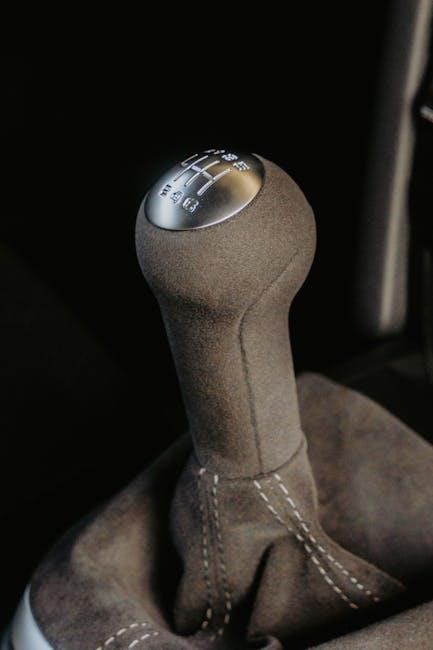
The Q50’s original center console is designed for an automatic transmission, requiring substantial modifications for a manual swap. This involves removing the automatic shifter provisions and installing a new console trim piece specifically designed for a manual shift pattern. Sourcing a console from a 6MT 370Z or utilizing aftermarket solutions are common approaches.
Careful attention must be paid to ensure a clean and functional installation, including proper boot fitting around the shifter base. Several online resources detail the necessary trim pieces and installation procedures for a seamless integration.
Mechanical Aspects of the Manual Swap
The mechanical conversion is the core of the Q50 6MT swap, demanding precision and careful planning. Adapter plates are crucial for mating the 370Z transmission to the Q50’s engine. Modified or replacement driveshafts are often necessary to accommodate the altered transmission length and ensure proper driveline angles.
Selecting a compatible clutch system – including the pressure plate, disc, and throw-out bearing – is vital for reliable engagement and longevity. Proper transmission mounting, utilizing reinforced brackets, is essential to withstand the increased stress.
Transmission Mounting and Adapter Plates
Successfully mounting the 370Z 6MT into the Q50 requires robust adapter plates to bridge the interface between the engine and transmission. These plates ensure proper alignment and a secure connection, preventing vibrations and potential damage. Custom or aftermarket transmission brackets are often necessary, as the factory Q50 mounts are incompatible.
Reinforced mounting points are crucial, given the increased torque capacity of the manual transmission. Careful consideration must be given to the transmission’s position to avoid interference with other components, like the exhaust system or driveshaft.
Driveshaft Modifications or Replacement
The Q50’s original driveshaft is typically incompatible with the 370Z 6MT due to differing lengths and flange configurations. Consequently, driveshaft modification or complete replacement is almost always required. Options include shortening the existing driveshaft and adapting the flanges, or sourcing a custom-built driveshaft specifically for the Q50 manual swap.
Ensuring proper driveshaft balance is paramount to prevent vibrations at higher speeds. A two-piece driveshaft with a center support bearing may be considered for increased strength and reduced vibration, especially in high-horsepower applications.
Clutch System Selection and Installation

Selecting the correct clutch system is crucial for a successful Q50 6MT swap. Many builders opt for a 370Z clutch kit, ensuring compatibility with the transmission and flywheel. Considerations include clutch disc material (organic, ceramic, or hybrid) based on intended use and power levels. A heavier-duty pressure plate is recommended for boosted applications.
Proper clutch installation requires meticulous attention to detail, including flywheel resurfacing or replacement, accurate alignment, and thorough bleed of the hydraulic clutch system. Incorrect installation can lead to premature wear or difficulty shifting.
Electrical System Integration
Integrating the manual transmission into the Q50’s electrical system presents significant challenges. ECU compatibility is paramount; often, aftermarket tuning is required to properly interpret manual transmission signals and disable automatic transmission-related functions. Wiring harness modifications are extensive, necessitating the addition of wires for the clutch switch, gear position sensor, and potentially a revised reverse light circuit.
Addressing Vehicle Stability Control (VSC) and ABS systems is critical. These systems may require recalibration or reprogramming to function correctly with the manual transmission, ensuring optimal safety and performance.

ECU Compatibility and Tuning Requirements
The Q50’s factory ECU isn’t natively compatible with a manual transmission, demanding careful consideration of tuning options. Aftermarket ECUs or custom tuning of the original ECU are generally necessary to manage the manual transmission’s operation. This involves recalibrating parameters to recognize gear position, clutch engagement, and eliminate error codes related to the absent automatic transmission;
Tuning also optimizes engine performance for the manual setup, potentially unlocking additional power and refining the driving experience. Proper tuning is crucial for reliability and preventing drivetrain issues.
Wiring Harness Modifications for Manual Controls
Successfully integrating a manual transmission necessitates significant wiring harness modifications. The existing harness lacks provisions for clutch pedal sensors, gear position switches, and the manual transmission’s solenoids. Adapting the harness involves splicing in new wiring for these components, often requiring a donor harness from a 370Z manual transmission vehicle as a reference.
Careful attention to pinout diagrams and wiring schematics is vital to avoid electrical conflicts. Professional wiring assistance is recommended to ensure a clean, reliable, and safe installation, preventing potential electrical failures.
Addressing Vehicle Stability Control (VSC) and ABS Systems
The Q50’s Vehicle Stability Control (VSC) and Anti-lock Braking System (ABS) require careful recalibration post-manual swap. The ECU needs to recognize the absence of automatic transmission inputs and adjust parameters accordingly. Failure to do so can result in warning lights, diminished VSC functionality, or even ABS system errors.
Tuning software and potentially a custom ECU map are often necessary to properly integrate the manual transmission with these safety systems, ensuring optimal performance and preventing unintended interventions during spirited driving. Professional tuning is highly recommended.
Post-Swap Considerations and Potential Issues
Following a Q50 6MT conversion, expect a period of refinement. Common issues include clutch master cylinder leaks, requiring replacement or rebuilding. Wiring harness integration can present challenges, leading to intermittent electrical gremlins. Driveshaft vibrations may occur if not properly balanced or modified.
Thorough post-swap diagnostics are crucial. Tuning is essential for optimal performance and to address VSC/ABS compatibility. Long-term reliability hinges on quality components and diligent maintenance, mirroring that of a 370Z manual transmission. Expect ongoing adjustments and potential troubleshooting.

Common Problems Encountered During and After the Swap
During the Q50 6MT swap, fitment issues with adapter plates are frequent, demanding precise alignment. Wiring harness modifications often reveal unforeseen compatibility problems, causing frustrating electrical faults. Post-swap, clutch master cylinder failures are reported, alongside driveshaft vibrations needing balancing.
Some owners experience VSC/ABS system errors requiring recalibration. Automatic transmission removal can be unexpectedly difficult. Expect to address minor console fitment issues. Thoroughly inspect all connections and utilize quality components to minimize these common post-swap headaches and ensure a reliable conversion.
Tuning and Calibration for Optimal Performance
Post-Q50 6MT swap, ECU tuning is crucial for optimal performance and to address potential compatibility issues. Adjustments are needed for throttle response, fuel mapping, and ignition timing. Calibration of the Vehicle Speed Sensor (VSS) is vital for accurate speedometer readings and proper VSC/ABS function.
Many tuners recommend custom maps tailored to the specific engine build and modifications. Addressing these parameters ensures smooth operation, maximizes power gains, and prevents potential drivetrain damage. Proper tuning unlocks the full potential of the manual transmission conversion, delivering a refined and engaging driving experience.
Long-Term Reliability and Maintenance
Maintaining a swapped Q50 6MT requires diligent attention to detail. Regularly inspect the clutch system for wear and proper engagement. Monitor transmission fluid levels and condition, adhering to a strict maintenance schedule. Pay close attention to the driveshaft and adapter plate for any signs of stress or misalignment.
Given the non-factory nature of the swap, proactive maintenance is key. Address any unusual noises or vibrations promptly. Consistent monitoring and preventative measures will ensure the longevity and reliability of your manual Q50, providing years of enjoyable performance.
Supercharged Q50 with Manual Transmission Builds
Combining a supercharged VQ37 engine with a 6MT swap elevates the Q50’s performance dramatically. Builds often involve a fresh engine build to handle the increased power, paired with the robust manual transmission sourced from the 370Z. This combination delivers significant performance gains and a more engaging driving experience.
Owners report exhilarating acceleration and improved control. These builds showcase the Q50’s potential, transforming it into a true performance machine. Careful tuning and calibration are crucial to maximize power and ensure long-term reliability of the supercharged, manual Q50.
VQ37 Engine Builds and Supercharger Integration
For optimal performance in a supercharged Q50, a robust VQ37 engine build is essential. This often includes forged internals – pistons and connecting rods – to withstand the increased boost pressure. Upgraded fuel injectors and a high-flow fuel pump are also critical components, ensuring sufficient fuel delivery.
Supercharger kits are typically integrated with custom tuning to maximize power output while maintaining engine reliability. Careful consideration must be given to cooling systems, often requiring upgraded intercoolers to manage heat. These builds unlock substantial horsepower gains, transforming the Q50 into a formidable performer.
Performance Gains and Driving Experience
The combination of a manual transmission and a supercharged VQ37 dramatically alters the Q50’s driving dynamics. Expect significant horsepower and torque increases, often exceeding 400-500 at the wheels with proper tuning and engine builds. This translates to quicker acceleration and a more engaging driving experience.
The 6MT swap provides precise control, allowing drivers to fully exploit the engine’s power. The tactile feedback of a manual gearbox enhances connection with the vehicle, creating a more visceral and rewarding experience. It’s a transformation from a comfortable cruiser to a genuinely sporty machine.
Resources and Communities for Q50 Manual Swaps
A thriving online community supports Q50 and Q60 manual swap enthusiasts. Numerous videos document the entire process, from automatic transmission removal to intricate wiring modifications and subframe swaps. Dedicated forums and social media groups serve as invaluable hubs for sharing knowledge, troubleshooting issues, and sourcing parts.
These communities offer detailed guides on center console modifications, crucial for accommodating the manual shift setup. Experienced swappers readily share their insights, helping newcomers navigate the complexities of the conversion. Accessing these resources significantly streamlines the project and minimizes potential pitfalls.