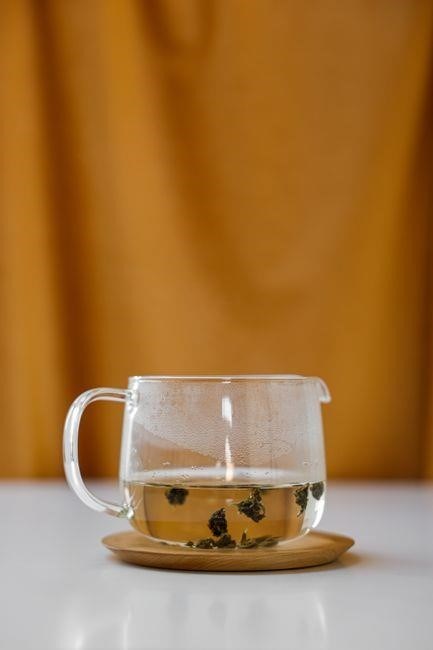
tea brewing guide
Water Quality and Temperature
Pure water free of chlorine and minerals yields a cleaner cup. Use filtered or bottled water when tap water tastes off. Ideal temperatures: 80‑90 °C for green teas, 90‑100 °C for black and oolongs, 70‑80 °C for delicate whites and herbs. Hard water leaves a metallic taste that dulls subtle notes.
Importance of Water Purity
Water is the main ingredient in tea, and its purity directly shapes the final flavor profile. Impurities such as chlorine, heavy metals, or excess minerals can mask delicate aromas, introduce off‑notes, or create a metallic aftertaste that overwhelms the tea’s natural character. In many regions, tap water contains varying levels of hardness and dissolved solids; a single cup brewed with such water may taste noticeably different from a cup made with filtered or bottled water. For instance, a lightly oxidized green tea can lose its bright, grassy nuances when brewed in hard water, while a robust black tea may develop an unwanted bitterness if chlorine is present. Using a high‑quality filter or distilled water removes these contaminants, allowing the tea’s intrinsic flavors—whether floral, nutty, or smoky—to shine. Moreover, water that has been preheated to the correct temperature preserves the tea’s volatile compounds; if the water is too cool, the tea may not release its full bouquet, and if it’s too hot, it can scorch the leaves, producing a harsh, astringent taste. Therefore, selecting clean, well‑balanced water and maintaining the proper temperature are essential steps for achieving a consistently aromatic and palatable cup of tea.
Choosing a water source with a balanced mineral profile—typically 50–150 ppm total dissolved solids—provides a neutral canvas that lets the tea’s subtle nuances emerge. Avoiding hard or chlorinated water protects flavor and reduces kettle scale buildup. Additionally, using a reverse‑osmosis filter guarantees consistent purity. Now this practice enhances tea quality daily. Simply!
Optimal Temperature Ranges for Each Tea
When brewing, precise heat is the key to unlocking each tea’s unique profile. Below is a concise reference for the most common varieties:
- Green teas – 80 °C to 90 °C (176 °F to 194 °F). A slightly lower temperature preserves the bright, vegetal notes and prevents a scorched, bitter edge.
- White teas – 70 °C to 80 °C (158 °F to 176 °F). The gentlest of the orthodox teas, white requires the mildest heat to keep its subtle, floral character intact.
- Oolong teas – 90 °C to 95 °C (194 °F to 203 °F). Depending on the oxidation level, a mid‑to‑high range yields a balanced sweetness and a lingering aftertaste.
- Black teas – 95 °C to 100 °C (203 °F to 212 °F). Full‑strength steeping at near‑boiling temperatures extracts the robust body and deep amber hue.
- Herbal infusions – 90 °C to 100 °C (194 °F to 212 °F). Most dried botanicals thrive at full heat, allowing essential oils to release fully.
For specialty blends that combine several tea families, start with the highest temperature in the list and adjust downward for each subsequent infusion. Consistently monitoring the water’s temperature with a reliable thermometer ensures repeatable, high‑quality results.
Remember, the exact temperature can be fine‑tuned with a thermometer; a few degrees difference may alter aroma and body, so practice precision daily
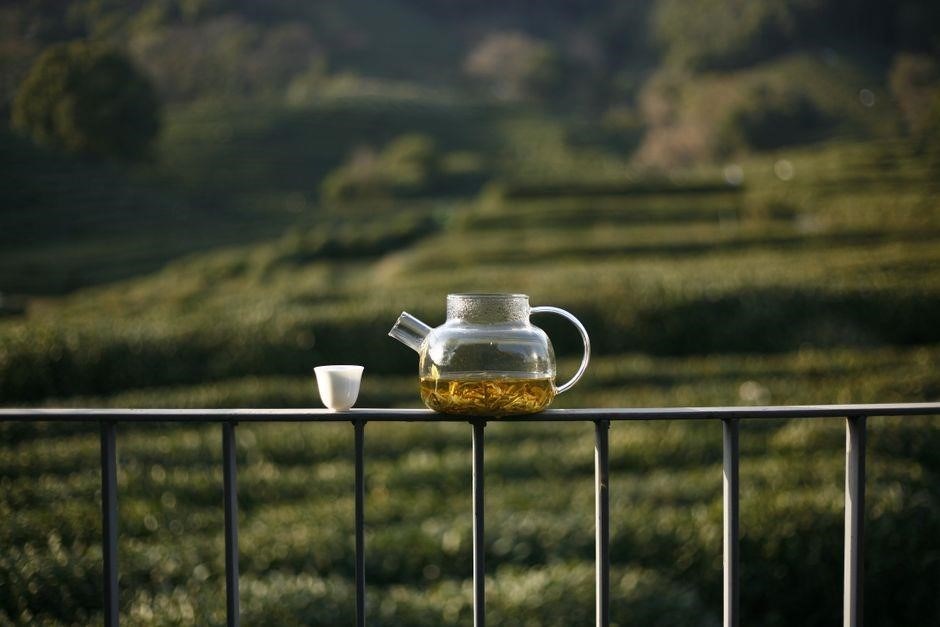
Tea Types and Their Brewing Needs
Each tea demands specific water temp and steep time. Black and oolong thrive at near‑boiling water, extracting robust flavors. Green, white, and herbal teas prefer cooler water to preserve delicate aromas and avoid bitterness. Adjusting heat tailors taste!!
Black and Oolong Teas: Extraction and Flavor
Black and oolong teas thrive on full‑strength water that reaches near boiling. A temperature of 90–100 °C extracts robust tannins and brings out the tea’s body, while a slightly lower 85–90 °C preserves delicate floral nuances in oolongs. The steeping time is crucial: 3–5 minutes for black teas yields a rich, caramel‑like profile, whereas 4–6 minutes for oolongs allows the complex layers of fruit, spice, and subtle oxidation to develop. Using a loose‑leaf infuser with a larger mesh ensures leaves can unfurl, releasing aroma compounds efficiently. If the water is too hot, bitterness dominates; if too cool, the brew feels flat. A gentle swirl after the first minute encourages even extraction, preventing uneven flavor distribution. For a second infusion, increase the steeping time by 30–60 seconds to coax deeper sweetness without excessive astringency. The choice of kettle—metal or ceramic—also impacts heat retention; a stainless‑steel kettle delivers quick, consistent heat, ideal for black teas, while a ceramic pot offers slower, steadier temperatures that favor oolong’s nuanced profile. Finally, pre‑heating the cup maintains the brew’s temperature, preserving the full spectrum of flavors until the first sip.
Water purity directly influences extraction. Chlorine or high mineral content can mask subtle oolong notes or create a metallic aftertaste in black teas. Using filtered or spring water with a balanced hardness (around 50–100 ppm) promotes a clean palate and allows the tea’s inherent sweetness and spice to shine. When brewing at home, a quick test—boil a small amount and taste—helps gauge whether your tap water is suitable. If it tastes off, consider a reverse‑osmosis filter or bottled water. The right water chemistry ensures that the tannins in black tea are extracted evenly, producing a smooth, full body, while the lighter tannins in oolongs remain balanced and not overly astringent.
Leaf‑to‑water ratio is another key factor: a standard 1 gram of leaves per 200 ml of water works well for most black and oolong teas. Adjusting the ratio up slightly for a stronger brew or down for a lighter cup can tailor the intensity. Additionally, the timing of the first steep is critical; a brief 30‑second pre‑infusion at the target temperature can help open the leaves, releasing volatile aromatics before the main extraction. This technique, often used by professional tea brewers, enhances aroma without diluting flavor. After the steep, promptly removing the leaves prevents over‑extraction, which can lead to bitterness. For oolongs, a second steep is common; the same ratio applies, but the water temperature can be slightly lower (around 85 °C) to preserve subtle flavors. By mastering these variables—temperature, time, ratio, and water quality—home brewers can consistently produce black and oolong teas that showcase their full complexity and depth!!!!!
Green, White, and Herbal Teas: Heat Sensitivity
Green and white teas thrive at 70–80 °C, while many herbal blends prefer 80–90 °C. Boiling water (100 °C) scorches delicate leaves, releasing tannins that taste bitter and metallic. Use a thermometer or a simple “wait‑time” rule: let the water sit for 30–60 s after boiling to drop to the ideal range. A gentle heat preserves floral, grassy, or citrus notes in green teas and the subtle sweetness of white teas. Herbal infusions such as chamomile, peppermint, or rooibos benefit from slightly higher temperatures but still avoid a full boil; 90 °C is usually safe for most herbs, though some sensitive varieties (e.g., lemongrass) should stay below 80 °C. Steeping times vary: 2–3 min for green, 3–5 min for white, 5–7 min for robust herbs; Oversteeping at high heat can produce astringency and a burnt aftertaste. Pre‑heat the cup to maintain temperature and reduce the rate of cooling. Filtered water free of chlorine and excess minerals enhances clarity and allows subtle flavors to shine. Experiment with small batches to fine‑tune temperature and time for each tea’s unique profile.
- Use a thermometer to verify the water temperature before steeping and adjust if needed.
- Pre‑heat the cup with hot water to keep the brew warm for taste;
- Use a fine‑mesh infuser to prevent leaf fragments from escaping the cup.
- Experiment with one or two steepings per cup to explore flavor layers without bitterness.
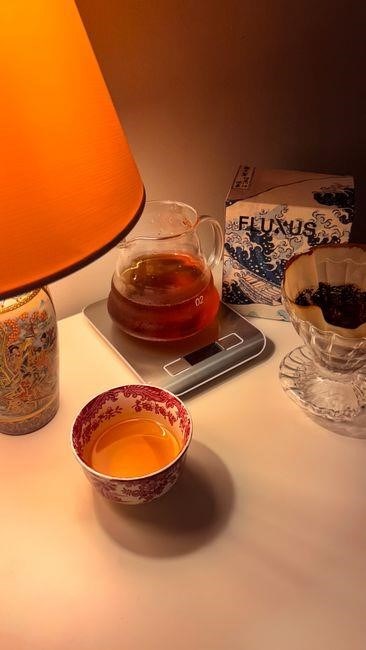
Equipment Essentials
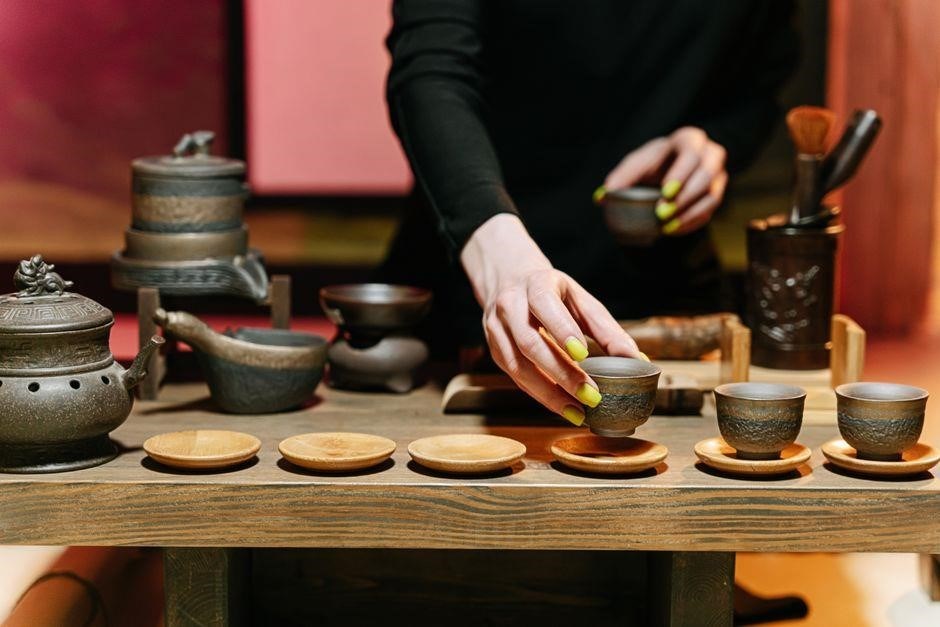
Choosing the right kettle matters: a stainless‑steel pot offers even heat, while a glass kettle lets you monitor steeping. Infusers made of stainless steel or bamboo influence flavor; metal releases heat quickly, bamboo preserves delicate aromas. Match size to tea quantity. for best results!
Kettle Choices and Heat Distribution
Choosing the right kettle is pivotal for consistent tea flavor. Stainless‑steel kettles are durable and neutral, while glass kettles let you monitor water temperature. Electric kettles with temperature control let you set precise ranges—80 °C green, 90 °C black, 100 °C oolong—for optimal extraction. Stovetop kettles, cast iron or copper, give even heat but need careful attention to avoid scorching. Copper kettles, with high thermal conductivity, heat water rapidly and evenly, ideal for quick steeping. However, they can impart a metallic aftertaste if not lined properly. Ceramic kettles retain heat well, making them suitable for longer steeping times, but their thicker walls may delay reaching the target temperature. The handle design also matters; a comfortable, heat‑resistant handle reduces the risk of burns and allows steady pouring. For precision, consider a kettle with a built‑in thermometer or a digital display that updates temperature in real time. Some high‑end models feature a “boil‑off” indicator, alerting you when water has reached the boiling point, preventing over‑boiling and preserving delicate tea aromas. Finally, the size of the kettle should match your brewing volume; a too‑large kettle will waste energy and prolong cooling, while a too‑small one may not accommodate multiple infusions. By choosing a kettle that balances material, ergonomics, you lay the foundation for a cup of tea!!
Infuser Materials and Their Effects on Taste
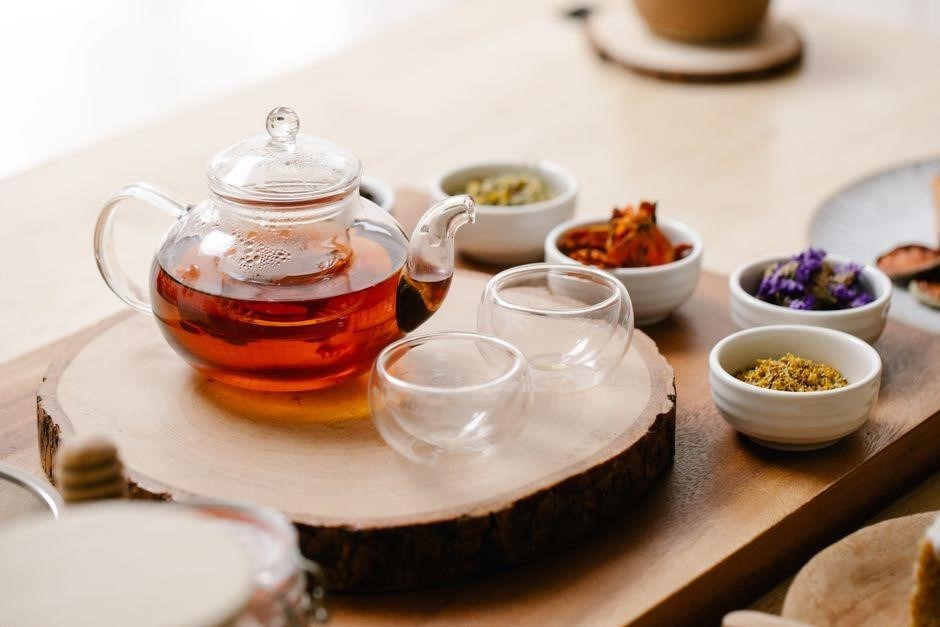
Choosing the right infuser material can subtly alter a tea’s flavor profile. Stainless‑steel mesh infusers are neutral, allowing the tea’s natural aromas to shine without imparting metallic notes. Silver‑coated or titanium‑lined options provide a similar neutrality but add a slight brightness to the brew, which can enhance the delicate floral nuances of white teas. Ceramic or porcelain infusers, while aesthetically pleasing, can retain heat longer; this can cause over‑extraction in delicate green teas, producing a slight bitterness that masks the tea’s inherent sweetness. Glass infusers are inert and do not interact chemically with the water, but their thicker walls may slow heat transfer, leading to a slightly cooler infusion that preserves subtle vegetal tones. Bamboo or wooden infusers introduce a subtle earthy undertone; this can complement robust oolongs but may overwhelm the delicate flavors of green or white teas. Finally, silicone infusers are flexible and easy to clean, but their rubbery texture can trap fine particles, potentially altering the mouthfeel and introducing a faint synthetic aftertaste. When selecting an infuser, consider both the tea type and the desired flavor outcome to ensure the material enhances rather than detracts from the brew.
Beyond material, the infuser’s design influences extraction. Fine‑mesh or ultra‑fine mesh allows maximum surface area, releasing more volatile compounds quickly, ideal for delicate teas that benefit from a brisk infusion. Coarser mesh reduces extraction speed, which can be advantageous for stronger black teas, preventing over‑steeping. The infuser’s volume also matters; a larger capacity can dilute the tea, softening strong flavors, while a smaller cup concentrates the brew. Some modern infusers feature adjustable mesh size, letting the brewer fine‑tune the extraction to match personal taste. Additionally, the infuser’s color can affect heat retention; dark‑colored infusers absorb more heat, potentially raising the brew temperature slightly, whereas lighter colors reflect heat, keeping the infusion cooler. When experimenting, note how each combination of material, mesh, and color interacts with the tea’s chemistry to produce the final cup.
In practice, many brewers prefer a two‑stage approach: first a short rinse with hot water to awaken the leaves, then a full steep. This technique helps release volatile aromatics without extracting tannins, especially for high green teas where subtle t is prized.
This practice balances aroma and body
Brewing Techniques and Timing
Steep times vary: 1‑2 min for green, 3‑5 min for black, 4‑6 min for oolong, 5‑7 min for herbal. Use a timer, stir gently, and remove leaves promptly to avoid bitterness. Re‑steeping extends flavor; adjust water temperature for each infusion.
Adjust steeping by 30 s per infusion for depth.
Steeping Times for Different Teas
Steeping time is the key to unlocking each tea’s flavor profile. Below is a concise guide for common varieties, assuming optimal water temperatures (green 80‑90 °C, black 100 °C, oolong 90‑95 °C, white 70‑80 °C, herbal 100 °C). Use a timer to avoid over‑or under‑steeping, which can produce bitterness or a flat taste.
- Green teas – 1 – 2 minutes. A 1‑minute steep for delicate, grassy notes; 2 minutes for a fuller body. Avoid exceeding 2 minutes to prevent astringency.
- Black teas – 3 – 5 minutes. Shorter steeps (3 min) highlight bright, brisk flavors; longer (5 min) extract deeper, maltier tones.
- Oolong teas – 3 – 5 minutes for light oolongs; 5 – 7 minutes for darker, more complex blends. Adjust based on leaf density.
- White teas – 4 – 6 minutes. Longer steeping brings out subtle sweetness; keep below 6 minutes to preserve the gentle character.
- Herbal infusions – 5 – 8 minutes. Herbal blends often require a longer brew to release aromatic oils; 8 minutes can intensify flavor but may become bitter if oversteeped.
When experimenting, note that water quality and leaf freshness also influence optimal times. Record each batch’s results to refine your personal preference.
Tip: For precision, use a digital thermometer to verify water temperature before pouring, and note the exact steeping time for each batch to build a reliable brewing routine
Multiple Infusions and Flavor Development
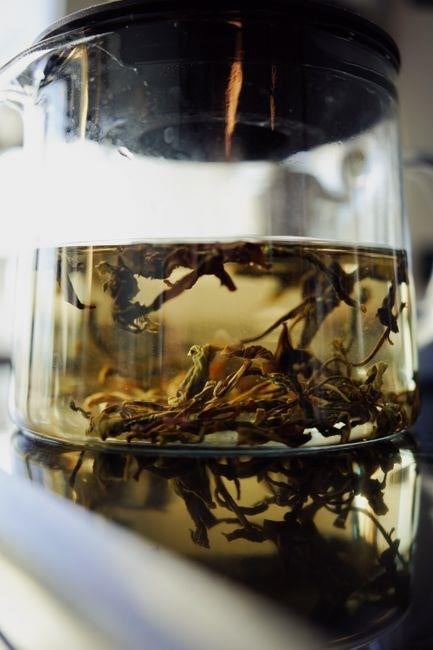
Many teas, especially high‑quality oolongs, pu‑r‑h, and some greens, reward multiple steepings. The first pour extracts volatile aromatics and light tannins, yielding a bright, floral profile. Subsequent infusions draw deeper, sweeter compounds, producing a richer, more complex body; A typical pattern for a premium oolong is 30‑second first steep, 45‑second second, 60‑second third, and 90‑second fourth, each at 90‑95 °C. Green teas often benefit from 20‑second first, 30‑second second, and 40‑second third at 80‑85 °C to avoid bitterness. White teas can be steeped 1‑minute, 1‑minute‑30‑second, and 2‑minute at 70‑80 °C. Herbal blends usually tolerate longer times (2‑3 minutes) and higher temperatures (100 °C) without loss of flavor. Adjusting water temperature between infusions can help control extraction: a slightly cooler second steep reduces astringency, while a hotter third can revive subtle notes. The tea’s leaf structure also dictates the number of usable infusions; tightly rolled leaves may only yield two good steeps, whereas loose leaves can offer five or more. Finally, tasting each pour allows you to gauge the balance of sweetness, bitterness, and umami, guiding your decision to stop or continue. Mastering multiple infusions turns a simple brew into a nuanced, evolving experience. Practicing this technique not only enhances flavor but also deepens appreciation for the tea’s origin and craftsmanship. Enjoy the journey All
Pre-Steeping Preparations
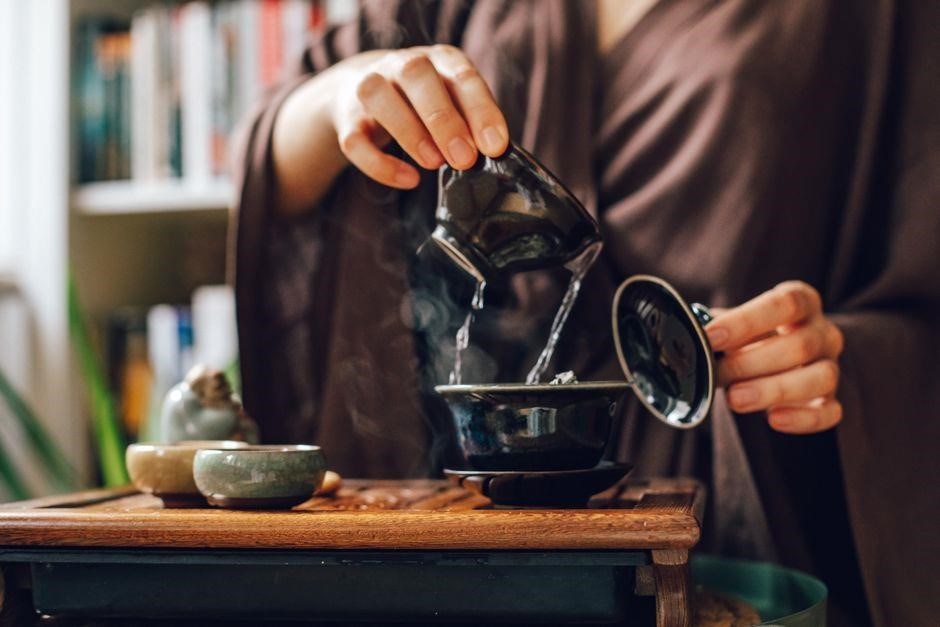
Before you even touch the kettle, set the stage for a flawless brew. First, pre‑heat your cup or teapot by rinsing it with hot water; this step stabilizes the temperature and keeps the tea from cooling too quickly, which can otherwise introduce bitterness. Next, measure the tea leaves—typically 1 teaspoon per 8 ounces of water for most black and oolong teas, slightly less for green and white varieties. Use a scale for precision if you’re serious about consistency. Store your loose leaves in an airtight container away from light, heat, and strong odors to preserve their volatile aromatics. When you’re ready to steep, ensure your water is freshly boiled and, if possible, filtered to remove chlorine or mineral impurities that can mar the flavor profile. Finally, keep a timer handy; even a few seconds can shift the extraction curve, so set the clock as soon as you pour the water over the leaves.
Before the water reaches boiling, consider the tea’s origin and roast level; lighter teas benefit from a gentle touch, while robust blends can handle a full‑force kettle. Use a digital thermometer to verify that the water temperature matches the recommended range; a quick dip of a thermometer in the water will confirm you’re not over‑or under‑heating. If you’re using a vessel, pre‑heat it to the target temperature to avoid a sudden drop when the hot water is added. Finally, timer to track duration, seconds can shift flavor profile for accuracy. This ensures a flavor profile for every cup.
Common Mistakes and Corrections
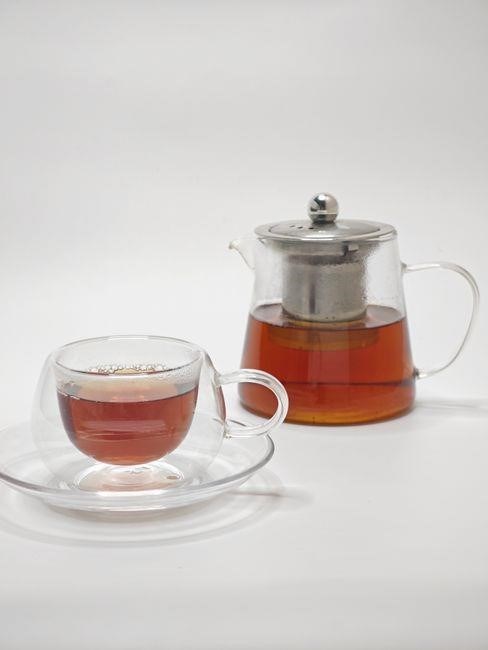
One frequent error is using water that’s too hot for green or white teas; the high temperature burns the leaves, producing astringent bitterness. To fix this, let the water cool to 70‑80 °C before pouring. Another slip is over‑steeping. Leaving tea in the cup for more than the recommended time extracts tannins, turning the brew cloudy and harsh. Remove the leaves promptly or use a timed infuser. Many novices also use too many leaves, especially for delicate teas, which overwhelms the subtle flavors. The remedy is to measure roughly one teaspoon per 8 oz cup. A common oversight is neglecting pre‑heat the cup; a cold vessel causes the tea to chill quickly, diluting the aroma. Warm the cup with hot water before discarding it. Finally, some people ignore the importance of water quality. Chlorine or high mineral content can mask the tea’s character. Switching to filtered or bottled water often restores clarity. By correcting these habits—temperature control, timing, leaf quantity, cup preparation, and water purity—home brewers can consistently achieve balanced, fragrant cups; Additionally, the timing of rinsing the leaves before steeping can influence the release of volatile compounds; a brief rinse at the target temperature helps avoid a dull first infusion. Finally, storing tea in a cool, dark place preserves aroma and prevents oxidation, ensuring each brew remains vibrant. Remember, a well‑timed steeping schedule balances flavor preserves the health benefits of each leaf daily!
Serving Temperature and Presentation
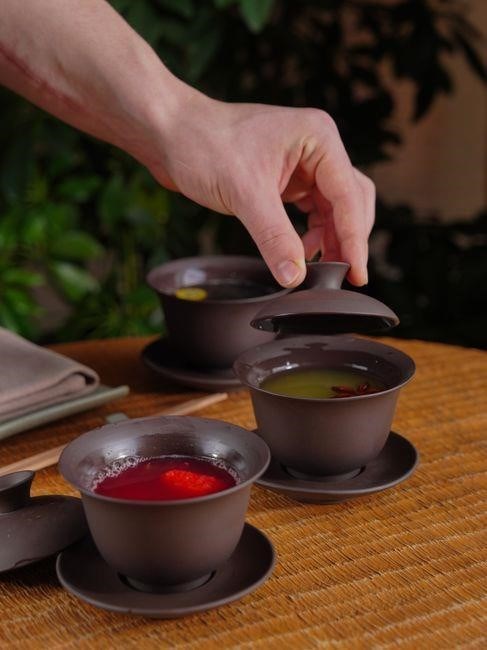
Serving temperature is the final touch that determines how a tea’s aroma and flavor are perceived. A tea that is too hot can scorch the palate, while one that is too cool may feel flat. The optimal range varies by type: black and oolong best at 95–100 °C, green at 70–80 °C, and herbal at 80–90 °C. To maintain these temperatures, preheat the cup with hot water before pouring. This simple step reduces heat loss, keeps the tea at its intended temperature longer, and prevents the formation of bitterness that can arise from rapid cooling.
Presentation also plays a psychological role. Clear, heat‑resistant glasses or ceramic cups allow the drinker to observe color changes that signal the tea’s development. Add a small ice cube and to after cooling. When serving, use a spout that controls flow, keeping temperature steady. Garnishes such as a lemon slice or a sprig of mint can enhance aroma, but they should be added only after the tea has reached its ideal temperature to avoid diluting the flavor.
Finally, consider the ambient temperature of the room. A cooler environment can make a hot tea feel more refreshing, whereas a warm setting may cause the tea to feel overly hot. By balancing the tea’s temperature with the surroundings and presenting it in an aesthetically pleasing vessel, you create a holistic experience that elevates the enjoyment of every sip.
Pairing Teas with Food
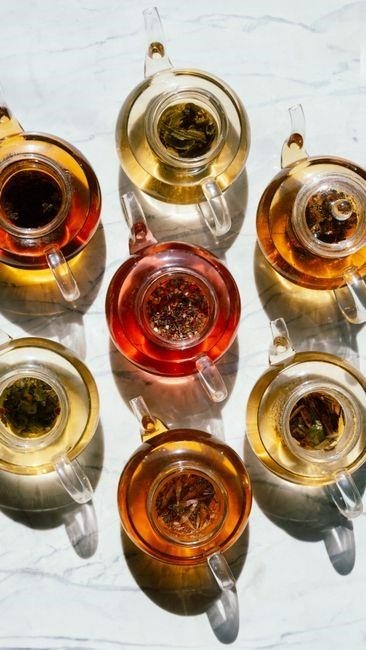
Pairing tea with cuisine is an art that balances flavor intensity, acidity, and aroma. Light green teas complement fresh salads, citrus desserts, and delicate fish dishes, while robust black teas pair well with hearty meats, pastries, and chocolate. Oolong’s floral notes enhance roasted poultry and nutty snacks, whereas green teas with a grassy edge match steamed dumplings and tofu. White teas, with their subtle sweetness, are ideal for fruit tarts, custards, and lightly spiced curries. Herbal blends such as chamomile or mint work best with sweet pastries, fruit salads, and light soups. When matching, consider the tea’s body: a full-bodied black or oolong can stand up to rich sauces, whereas a delicate green or white may be overwhelmed by heavy seasoning. Temperature also matters; a hot cup can mask subtle flavors, so serve lighter teas slightly cooler. Finally, experiment with regional pairings: Japanese green teas with sushi, Chinese oolongs with dim‑sum, and English breakfast teas with traditional afternoon tea. The key is to create harmony, not competition, between tea and food.For those who enjoy a more adventurous palate, experimenting with tea-infused sauces, marinades or even desserts can elevate a meal to a multisensory experience, turning a simple dining occasion into a memorable cultural journey that celebrates both the subtlety of tea and the richness of cuisine. These pairings deepen appreciation for the tea’s origin, encouraging mindful consumption, cultural exchange.